
You know something needs attention before selling your house. Maybe the deck needs work, the furnace is getting old, there's a plumbing issue or you already know the septic system is going to raise

Dated: August 31 2026
Views: 23
If you're thinking about selling your home, it's easy to start making a mental list of everything you could improve before putting it on the market. New flooring? Paint? Kitchen counters? Landscaping? Maybe finally tackle that bathroom you've been meaning to update?
Some projects can absolutely help a home show better. Others may cost thousands of dollars without changing what a buyer is willing to pay.
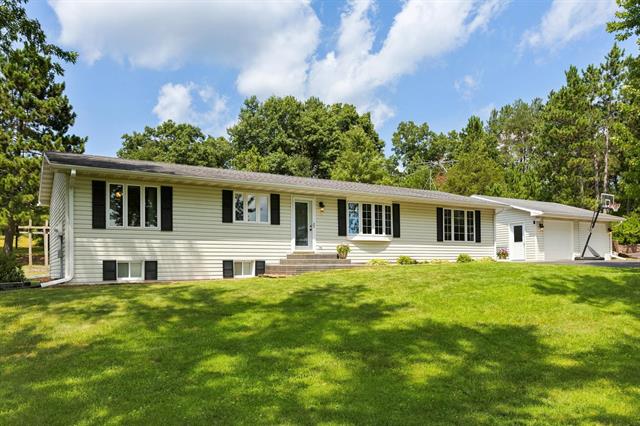
Before selling a home in Central Wisconsin, I generally recommend focusing first on repairs, maintenance, cleanliness and presentation—not automatically jumping into expensive remodeling projects. The goal is to remove the things that might concern or distract a buyer while putting your money into improvements that actually help the property compete.
Exactly what that means depends on the house.
You don't get a second chance at a first impression, and in real estate that first impression often happens before the buyer ever walks through the front door.
Look at your property as though you've never seen it before. Peeling paint around the entrance, an overgrown yard, a damaged screen door or a garage overflowing with stuff may seem minor when you've lived with them for years. To a buyer seeing the property for the first time, those little things can start adding up.
Before I'd spend money replacing a perfectly functional kitchen, I'd usually look at basic items such as:
Touching up damaged or heavily marked paint
Repairing obviously broken fixtures
Cleaning windows
Improving the entrance
Trimming landscaping
Removing excess furniture and clutter
Deep cleaning the home
Organizing garages and outbuildings
None of those projects are particularly exciting, but they can make a noticeable difference in how a property feels during a showing.
This is where I think sellers need to be careful.
Suppose you spend $30,000 updating a kitchen. Will buyers now pay $30,000 more for the house?
Maybe. Maybe not.
You also run the risk of choosing finishes that aren't what the eventual buyer would have selected.
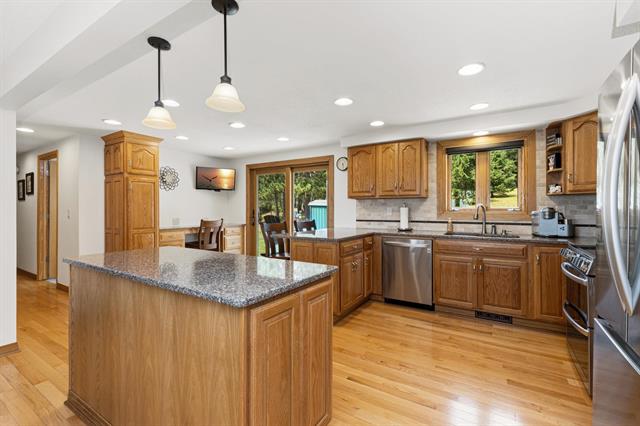
If the kitchen is functional but dated, it may make more sense to price and market the property accordingly rather than completing an expensive remodel immediately before selling.
On the other hand, if something is damaged, unfinished or likely to make buyers question the overall condition of the home, addressing it may make much more sense.
That's why I don't think there should be a universal "renovate before selling" checklist. The decision should depend on the property, its likely buyer, the competition and the expected return on the improvement.
This distinction matters.
An old bathroom is an update.
A leaking toilet is a repair.
Older flooring may simply be dated. Loose or badly damaged flooring is a different issue.
Buyers can usually understand that a home isn't brand new. What makes them nervous is evidence that the property hasn't been maintained.
Visible water damage, leaking plumbing, broken doors, damaged siding or other obvious maintenance issues can cause a buyer to start wondering:
"What else hasn't been taken care of?"
That concern can become much bigger than the original repair.
Sellers sometimes ask whether they should replace an older furnace, air conditioner, water heater or roof simply because of its age.
Not necessarily.
Age and condition aren't always the same thing.
If a system is functioning properly, replacing it before selling may not be the best use of your money. But buyers will likely consider the age of major components when evaluating the property, and older systems may influence negotiations or the price they're willing to pay.
The important thing is to understand how those items affect your home's position against competing properties.
This is where generic national advice about preparing a home for sale can miss the mark.
Around Mauston, New Lisbon, Necedah, Tomah, Sparta, Adams-Friendship, Reedsburg and the surrounding countryside, the garage, acreage or outbuilding can sometimes be nearly as important to the buyer as the house.
If you have a pole building filled wall-to-wall with belongings, buyers may have trouble understanding how much usable space is actually there.
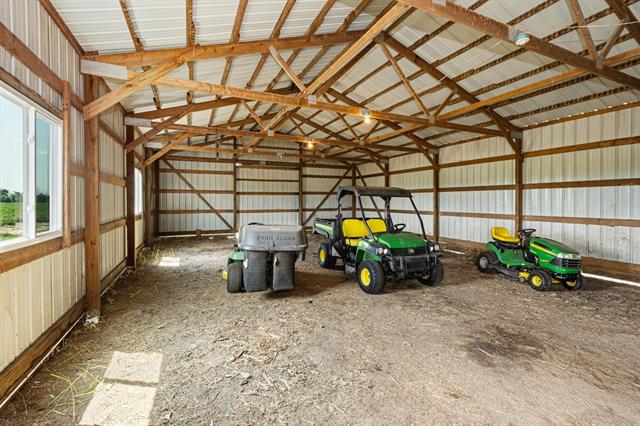
The same goes for acreage. If trails are completely overgrown or an important portion of the property is difficult to access, buyers may not fully appreciate what they're purchasing.
Before selling a rural property, I'd pay attention to the entire property—not just the living room and kitchen.
This deserves special attention in Central Wisconsin.
For buyers looking around Castle Rock Lake, Lake Petenwell or other recreational areas, storage can be a major selling feature.
A buyer may be thinking about where they'll keep:
Their pontoon
UTV or ATV
Camper
Snowmobiles
Kayaks
Fishing equipment
Boat trailer
If your property has an oversized garage, pole building, RV pad, workshop or easy trailer access, make sure those areas show well.
Sometimes the smartest "improvement" before selling isn't remodeling anything.
It's simply making one of the property's best existing features easier for buyers to see.
There's no guarantee that any improvement will return every dollar you spend, but I generally think sellers should evaluate projects in roughly this order:
| Priority | Examples |
|---|---|
| Repair obvious problems | Leaks, broken fixtures, damaged doors, safety issues |
| Improve presentation | Cleaning, decluttering, organizing |
| Improve first impression | Entrance, lawn, landscaping |
| Complete unfinished small projects | Trim, touch-up paint, minor repairs |
| Evaluate dated finishes | Flooring, paint, fixtures |
| Consider major remodeling last | Kitchen, bathrooms, major structural changes |
The point isn't that you should do everything on this list.
It's that I'd rather see a seller spend money deliberately than assume every dollar invested in the house will automatically come back at closing.
That's an option too.
There are situations where selling a property in its current condition makes sense. Maybe you're handling an estate. Maybe you've already moved. Maybe you don't have the time or money to complete repairs.
The question then becomes whether the price and marketing properly reflect the condition.
A house doesn't have to be perfect to sell.
But buyers should understand what they're getting, and the asking price needs to make sense compared with the alternatives available to them.
Before spending a significant amount of money, I'd start with three questions:
Will buyers see this as a defect or simply something dated?
Will fixing it materially improve the way the property shows or competes?
Am I reasonably likely to recover enough of the cost to make the project worthwhile?
This is also why I think it's useful to talk with a real estate agent before completing a long list of projects.
If you're going to spend $15,000 preparing a house for sale, it makes sense to first determine whether that's where the money will have the most impact.
You can prepare the house perfectly and still undermine it with poor marketing.
Once the property is ready, photography, video, drone imagery and the listing itself should show buyers why the property is worth seeing.
That's particularly important with Central Wisconsin's rural and recreational properties. A few interior photos may not adequately communicate five wooded acres, a 40x60 pole building, proximity to a lake or the layout of a complicated property.

The preparation and the marketing need to work together.
If you're wondering why some properties attract attention quickly while others struggle, I recently covered that in:
Why Do Some Homes Sell Fast in Central Wisconsin While Others Sit on the Market?
Add link to that blog.
That's a particularly good internal link for this article because preparing the property is only one part of creating a successful listing.
Lake-area homes deserve their own strategy because buyers may be evaluating much more than the condition of the house.
They're also evaluating the lake, water access, shoreline, storage, boating opportunities and the surrounding lifestyle.
If you're selling around Castle Rock Lake, Lake Petenwell, Lake Redstone, Dutch Hollow Lake or another recreational area, understanding what attracts buyers to that particular area can help determine what deserves attention before listing.
My Best Lakes for Second Homes in Central Wisconsin guide provides a broader look at how buyers compare these areas:
I originally created Don't Buy a Lake Home in Central Wisconsin Until You Watch This for buyers, but sellers can learn something from it too. It shows how buyers compare Central Wisconsin's lakes and what they're thinking about beyond the house itself.
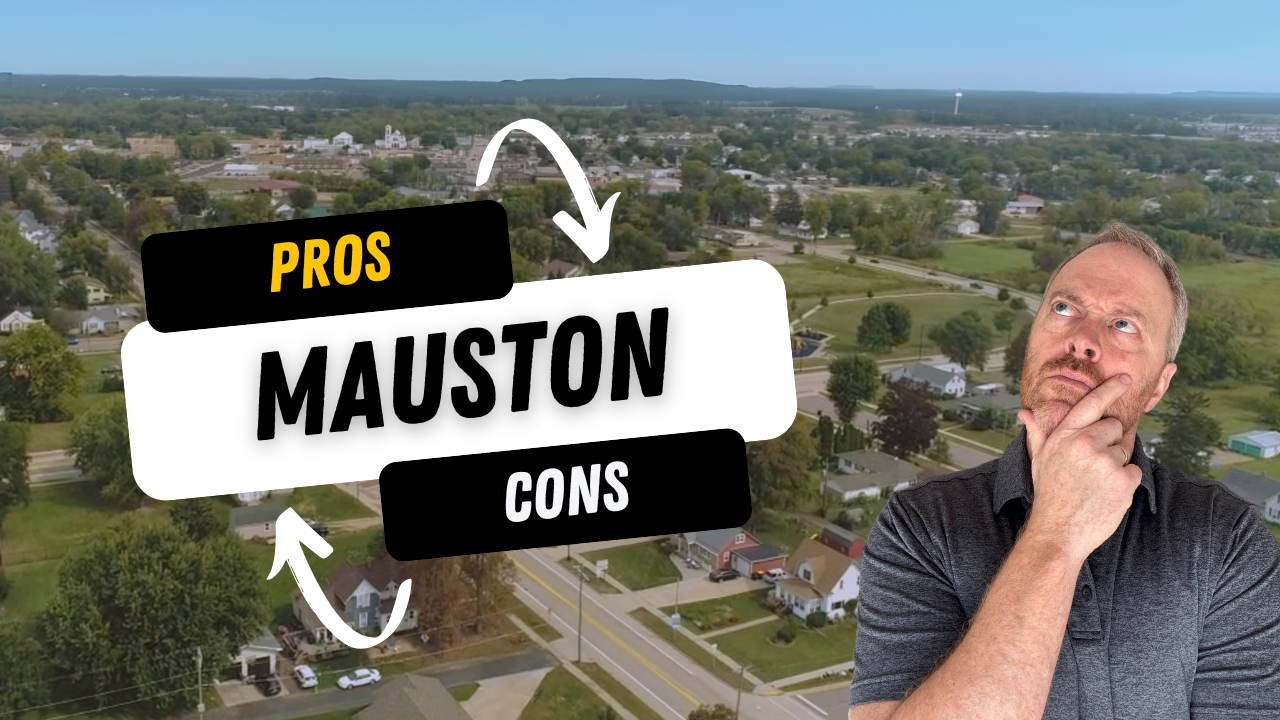
My Mauston Wisconsin: Hidden Gem or Total Mistake video also provides context on the community and surrounding lifestyle. That can be useful for sellers because you're not only selling a house—you may also be selling a buyer on the location.
Not automatically. Smaller repairs, cleaning, decluttering and presentation improvements may provide a better return than a major remodel. The right decision depends on your home's condition, competition and likely buyer.
If walls are heavily marked, damaged or painted in colors that significantly distract from the home, painting may help. A home that's already clean and reasonably neutral may not need to be completely repainted.
Age alone doesn't necessarily mean replacement is required. The condition of the system, price of the home and competing properties should all be considered before making that investment.
Usually, yes. Storage is important to many Central Wisconsin buyers, particularly those with boats, campers, UTVs and other recreational equipment. Buyers can appreciate the space more easily when they can actually see it.
Start with obvious maintenance problems and anything that could make a buyer question whether the property has been cared for. After that, focus on cleaning, decluttering and improving the home's overall presentation.
Preparing a home for sale doesn't mean making it perfect.
It means looking at the property through a buyer's eyes and deciding which issues could prevent them from seeing its value.
Sometimes that means fixing something. Sometimes it means cleaning and decluttering. Sometimes the smartest decision is to leave an older kitchen alone and price the home appropriately.
And with rural, lake and recreational properties in Central Wisconsin, don't spend so much time worrying about the house that you forget to prepare the land, garage and outbuildings buyers may care about just as much.
Before spending thousands of dollars getting your home ready to sell, I'm happy to take a look at it and help you determine which projects I think are worth considering—and which ones I'd probably leave alone.
Brandon Luehman – RE/MAX RealPros
Call/Text: 608-547-9619
Email: brandonluehman@remax.net
Website: https://brandonluehman.realproswi.com/

Brandon Luehman | Realtor® | RE/MAX RealPros Brandon Luehman brings a powerful combination of education, real estate investing experience, and community-focused leadership to REMAX RealPros. Origina....
You know something needs attention before selling your house. Maybe the deck needs work, the furnace is getting old, there's a plumbing issue or you already know the septic system is going to raise
If you're considering moving to Central Wisconsin and want access to lakes, outdoor recreation, small communities and rural property, Adams County deserves a closer look.But there's something
I've seen a version of this plan quite a few times with Central Wisconsin land buyers: buy a few acres, put up a pole building, use it to store the boat, camper, UTV and other toys, and maybe build
If you want a vacation home near Wisconsin Dells, don't assume you need to buy directly in the Dells.Within roughly a 30-minute drive, you can find very different types of vacation properties&mdash
 SCWMLS - South Central Wisconsin Multiple Listing Corp. All information deemed reliable but not guaranteed. All properties are subject to prior sale, change or withdrawal. Neither listing broker(s) or information provider(s) shall be responsible for any typographical errors, misinformation, misprints and shall be held totally harmless. Listing(s) information is provided for consumers personal, non-commercial use and may not be used for any purpose other than to identify prospective properties consumers may be interested in purchasing. The data relating to real estate for sale on this website comes in part from the Internet Data Exchange program of the Multiple Listing Service. Real estate listings held by brokerage firms other than REMAX RealPros may be marked with the Internet Data Exchange logo and detailed information about those properties will include the name of the listing broker(s) when required by the MLS. Copyright 2026 South Central Wisconsin MLS Corporation All rights reserved.
This information, provided by seller, listing broker, and other parties, may not have been verified.
SCWMLS information is provided exclusively for consumers personal, non-commercial use and that it may not be used for any purpose other than to identify prospective properties consumers may be interested in purchasing.
Last Updated: September 14, 2026 8:13 PM UTC
SCWMLS - South Central Wisconsin Multiple Listing Corp. All information deemed reliable but not guaranteed. All properties are subject to prior sale, change or withdrawal. Neither listing broker(s) or information provider(s) shall be responsible for any typographical errors, misinformation, misprints and shall be held totally harmless. Listing(s) information is provided for consumers personal, non-commercial use and may not be used for any purpose other than to identify prospective properties consumers may be interested in purchasing. The data relating to real estate for sale on this website comes in part from the Internet Data Exchange program of the Multiple Listing Service. Real estate listings held by brokerage firms other than REMAX RealPros may be marked with the Internet Data Exchange logo and detailed information about those properties will include the name of the listing broker(s) when required by the MLS. Copyright 2026 South Central Wisconsin MLS Corporation All rights reserved.
This information, provided by seller, listing broker, and other parties, may not have been verified.
SCWMLS information is provided exclusively for consumers personal, non-commercial use and that it may not be used for any purpose other than to identify prospective properties consumers may be interested in purchasing.
Last Updated: September 14, 2026 8:13 PM UTC
